Philadelphia Freedom Repipe replaces water service lines that are lead or galvanized steel, from the water main in the street to the meter inside Philadelphia houses, and arranges the same work on the customer side of the curb stop in nearby suburbs. This page is about the service line only: the single pipe that brings water from the public main into the house. The piping inside the house is a separate scope, explained further down.
The reason this work falls to the owner in Philadelphia is ownership. The Philadelphia Water Department states that residential water service lines are owned entirely by the property owner, curb stop included. Its Rates and Charges put it plainly: the owner, at their own expense, excavates for the connection, installs all piping after the ferrule at the main and maintains it from then on.
How common lead service lines are in Philadelphia
PWD’s service line inventory, published to meet new federal rules, listed 14,272 lead lines, 1,189 galvanized, 73,373 non-lead and 436,341 unknown. PWD now labels the unknowns as incomplete records and says they should be treated as a lead service line until checked. By its own estimate, about one in 20 Philadelphia properties, or five percent, may have a lead service line.
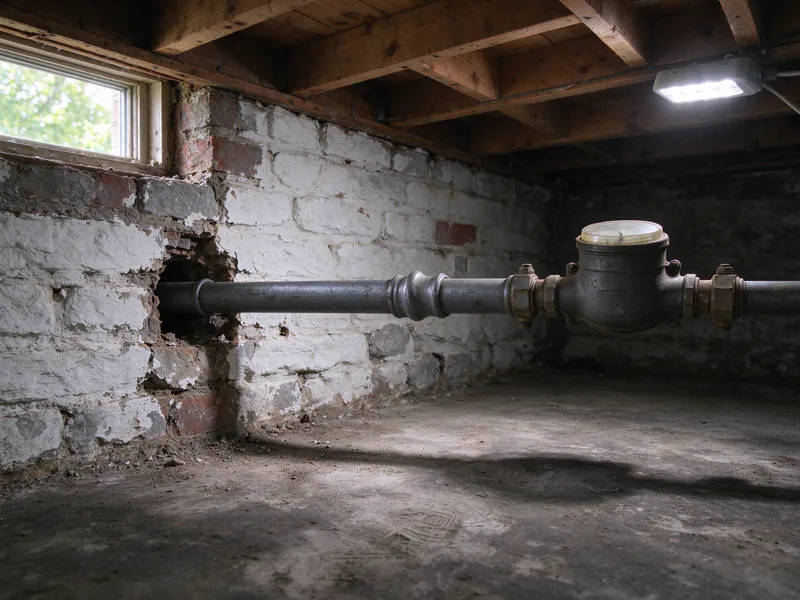
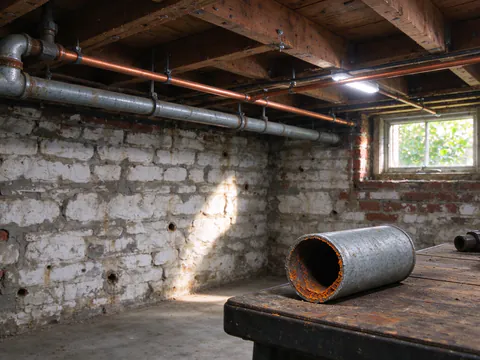
Age is the pattern. PWD notes that lead service line installation decreased after the 1950s, and 64.9% of the city’s housing units were built before 1960. The Philadelphia lead service line map guide shows how to read PWD’s map for an address and how to check the pipe where it comes through the front wall: lead is dull gray, scratches to a bright silver with a coin, and does not attract a magnet.
The federal rule is the reason the inventory exists. The EPA’s Lead and Copper Rule Improvements, issued October 8, 2024, require water systems to identify and replace lead pipes within 10 years. PWD summarizes its obligation as replacing all lead and galvanized service lines within 10 years, with 2027 as the first year. That is a duty on the water system, not a promise of when any one house will be reached.
Why galvanized service lines get the same treatment
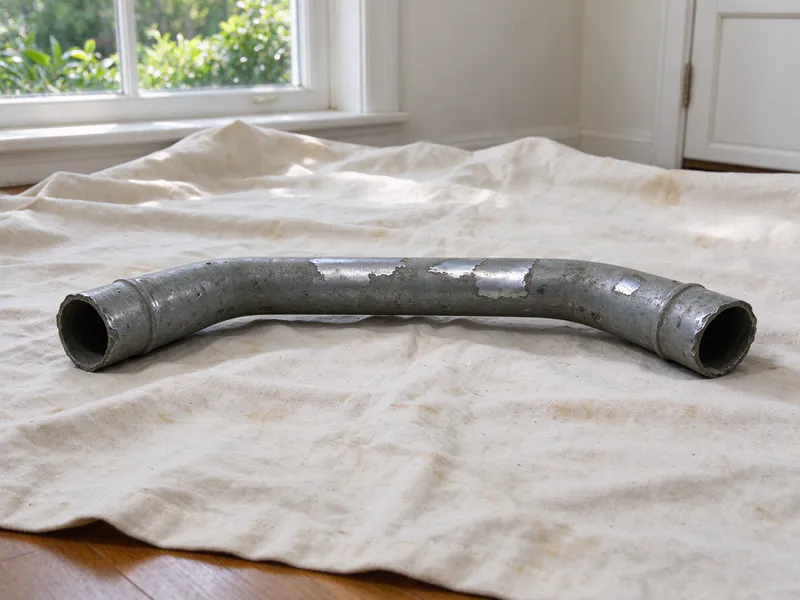
A galvanized steel service line is not lead, but PWD’s programs replace it with lead lines for two reasons. PWD explains that over decades, lead from a property’s plumbing can accumulate on the corroded walls of galvanized pipe, so a galvanized line that sat downstream of a lead connection can still carry it. And galvanized pipe rusts from the inside, narrowing the bore, so an old galvanized service is often the real limit on flow into the house. The guide to lead in Philadelphia tap water covers PWD’s corrosion control and test results.
What a Philadelphia service line replacement involves
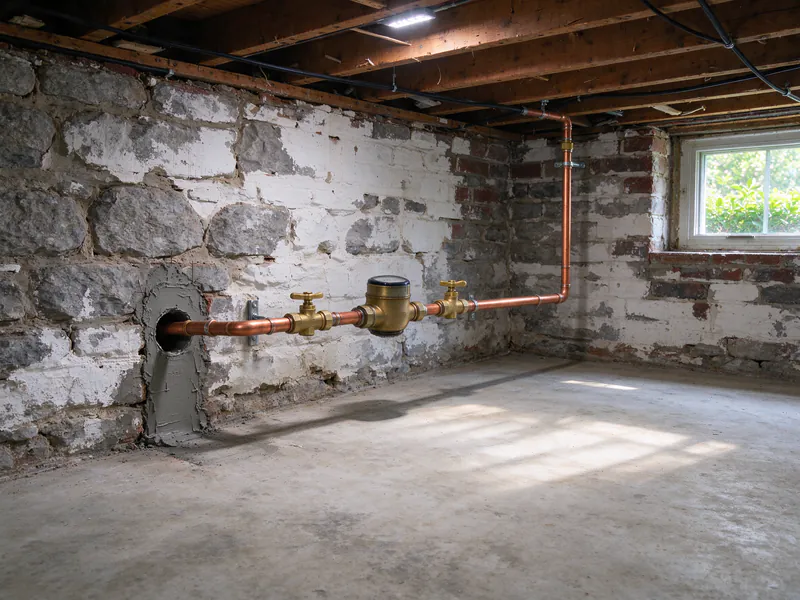
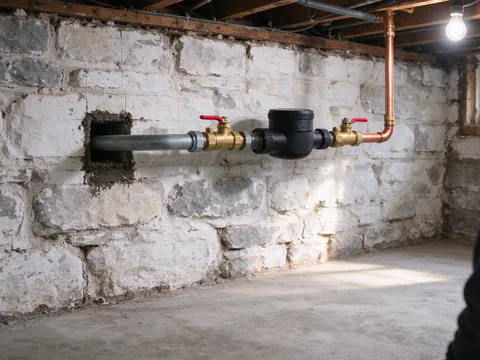
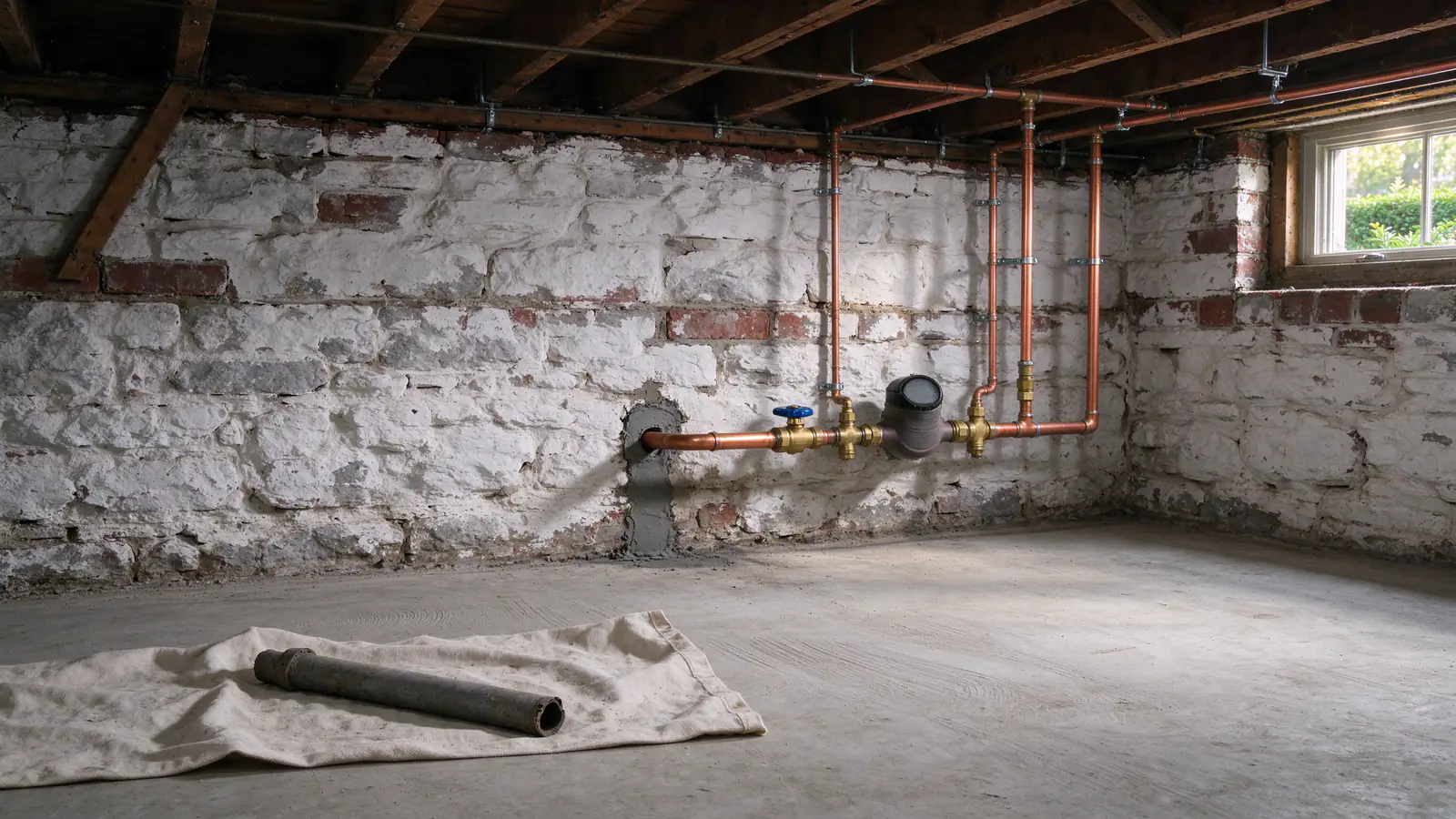
Most Philadelphia service lines are small: of 2,555 L&I water service permits over 36 months, 2,022 specify a 3/4-inch line. The typical route runs from the main in the street, through the curb stop under the sidewalk, through the front foundation wall to the meter in the basement. L&I permits for this work are routinely written “curb stop to water meter inside home”.
The work starts with the permit. L&I lists “new or replacement water service, with service to a single building” as an EZ permit, and the fee for a curb stop to building water line is $126. A licensed master plumber oversees the work. A Streets Department footway permit for opening the sidewalk is issued automatically with the plumbing permit, and connections at the main involve PWD separately.
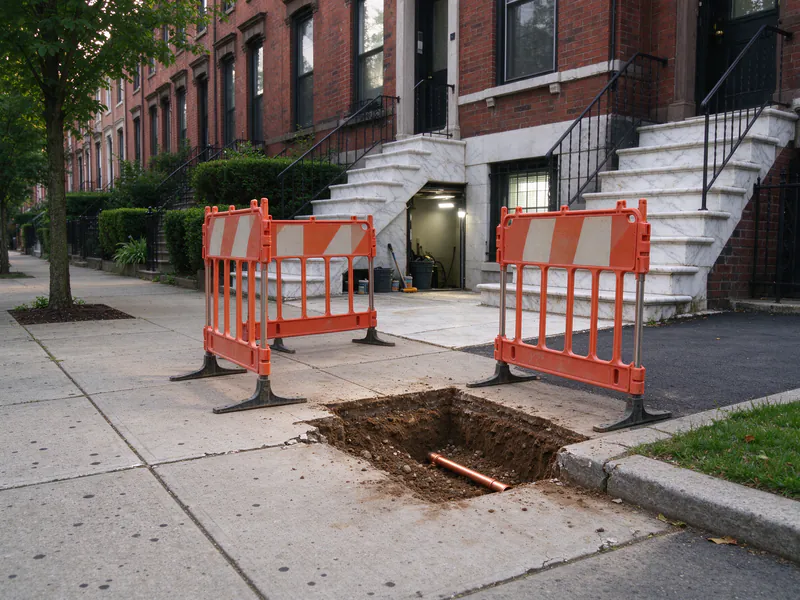
Then the sidewalk is opened at the curb box, and a trench or a bore runs to the foundation wall. Where the line is being replaced all the way to the main, the street is opened too, and the connection at the main involves PWD. PWD’s Rates and Charges list $245 for a new 3/4-inch ferrule connection at the main and $280 for 1-inch. Underground water pipe has to be rated for at least 160 psi, and each building needs its own connection to the main, so a rowhouse line cannot be teed off the neighbor’s. The new line comes through the wall to a new main shutoff, and the meter is reconnected.
The street and sidewalk opening is the part of the price that varies most, because it depends on how far the main sits from the curb, what the sidewalk is made of and whether a street cut is needed at all. The lead service line replacement cost guide breaks the price down line by line.
Cost, and the routes that lower it
The Philadelphia Water Department estimates that replacing a service line with a private plumber costs $3,000 to $12,000, and more when a street opening is needed. Several City programs can lower or remove that cost. They are described here as programs; whether a given house qualifies is decided by PWD or PHDC, not by any contractor.
PWD Service Line Replacement Pilot. Federally funded free replacement of lead or galvanized service lines in named ZIP codes: Phase 1 in North Philadelphia (19133, 19134, 19140) and Phase 2 in West and Southwest Philadelphia (19104, 19131, 19139, 19142, 19143, 19151, 19153). Licensed plumbers hired by PWD do the work, usually in one day, and only the owner can give permission. Owners elsewhere can register interest.
Replacement during water main projects. When PWD replaces the main on a block, it replaces confirmed lead and galvanized service lines from main to meter free once the owner returns an authorization form. This reaches about 1% of City mains a year, and PWD does not offer it on request outside those projects.
HELP loan. PWD’s Homeowner’s Emergency Loan Program lends the cost at 0% interest over 60 months, with a lien on the property, for residential buildings of up to four units with an operable meter and a water account no more than two billing cycles behind. An operating lead line qualifies without a Notice of Defect. PWD inspects and gives the estimate. The PWD HELP loan guide covers the terms.
PHDC Basic Systems Repair Program. Free emergency repairs, including leaking or broken water service lines, for owner-occupied single-family houses under PHDC’s income limits. A PWD Notice of Defect or L&I violation helps with priority.
The free lead line replacement guide compares these routes in detail. A private replacement makes sense when none applies, when the timing matters, or when the line is being replaced alongside other work.
The suburbs work differently
Outside the city, the utility usually owns part of the line. Aqua Pennsylvania, which supplies Upper Darby, Haverford, Abington, Bensalem and other suburbs, says the utility-owned section typically runs from the main to the curb stop. Once a customer-owned line is identified as lead or galvanized, Aqua replaces it at no direct cost to the customer under its Customer Lead Service Line Replacement Program.
Pennsylvania American Water, which serves Norristown and surrounding Montgomery County municipalities, owns the line from the main to the curb stop and replaces customer-side lead or galvanized steel at no direct cost. It reimburses an owner who replaces the line privately only within its program rules: within one year of the company starting work in the area, capped at 125% of its own cost for a similar line, with a licensed contractor’s statement and a paid invoice. In either territory, check with the utility before hiring anyone, and each township or borough’s own permit and contractor rules apply. The Upper Darby and Norristown pages cover the local details.
Why the repipe inside the house is a separate job
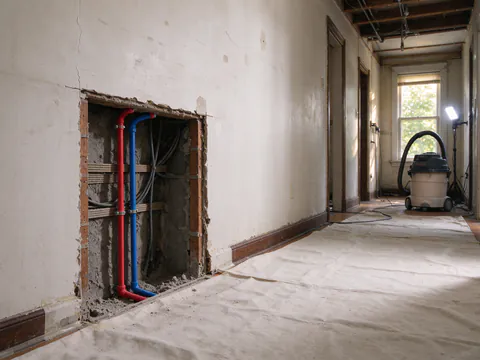
A new service line ends at the meter and main shutoff. Everything after that, the basement main, the risers and the branches to each fixture, is interior water distribution, and none of PWD’s programs, the HELP loan or the suburban utility programs pay for it. In an older house, that interior piping is often galvanized too.
The two jobs are still worth planning together. A new service line decides where the main shutoff sits and what the interior piping connects to, and replacing a lead line into a house still plumbed in corroded galvanized steel leaves the restriction and the deposits inside. The main water shutoff replacement page covers the valve at the wall, and whole-house repiping covers the interior piping when it is due as well.
Want to know which route fits your line?
A check at the meter, PWD's map and the program rules for your address come before any price.
Related resources
- Who owns the water line in Philadelphia, from the ferrule to the meter
- Philadelphia water Notice of Defect, when PWD flags a leak outside
- Water line protection plans in Philadelphia and what they leave out
- Galvanized pipe replacement for steel inside the house