Lead in Philadelphia tap water comes from the pipes and fixtures it passes through, mainly lead service lines, old solder, fittings and brass. PWD adds zinc orthophosphate to coat the inside of pipes, and its testing at homes with lead service lines found a 90th-percentile level of 2.0 parts per billion. Your tap depends on your pipes.
That is why the question “does Philly tap water have lead” has two answers: one about the City’s water, and one about the plumbing in a particular house. Philadelphia Freedom Repipe offers and manages lead service line replacement and interior repiping, so this guide stays with what the Philadelphia Water Department and the U.S. Environmental Protection Agency say. It is not medical advice; for health questions, those agencies’ pages and your doctor are the sources.
Where the lead comes from
Lead reaches the tap from metal the water touches on the way. PWD’s lead information page names the sources: lead service lines, the pipe from the main to the house, and lead hidden in older plumbing work, including solder, fittings, faucets and brass. Galvanized steel can carry lead too. PWD explains that, over decades, lead from a property’s plumbing can accumulate on the corroded walls of galvanized pipes and come loose later.
The longer water sits still in contact with those materials, the more chance it has to pick up lead. That is the logic behind flushing, covered below.
What PWD does about it
PWD adds zinc orthophosphate to its treated water. In PWD’s words it “forms a protective coating inside pipes”, reducing how much metal the water can take up from the pipe wall, and PWD has used it for more than 25 years.
PWD checks how well that works by testing water at homes with lead service lines, as federal rules require. In its 2025 drinking water quality report, PWD reported:
| Measure, homes with lead service lines | Lead | Copper |
|---|---|---|
| Homes tested | 106 | 106 |
| 90th-percentile result | 2.0 ppb | 0.210 ppm |
| Homes above the action level | 1 | 0 |
| Range of results | 0 to 21 ppb | Not given in PWD’s summary |
PWD says these tests show its treatment is protecting drinking water from the effects of plumbing corrosion. Note what the table also shows: results ranged up to 21 ppb, and one home was above the action level. A city-wide result is a good sign for the system, not a reading for a particular kitchen tap.
Is Philadelphia tap water safe to drink?
PWD’s answer, on its lead FAQ, rests on that testing: its treatment is protecting drinking water from plumbing corrosion. It still recommends, as an extra step, flushing cold water for three to five minutes after the water has sat unused for six hours or more. The EPA’s basic information on lead in drinking water adds why care matters even at low levels: it sets the health goal for lead at zero and says there is no safe level of exposure, and young children, infants and fetuses are particularly vulnerable.
So the honest answer is that the City’s water is treated to limit lead, and what reaches your glass depends on the pipes between the main and your tap. The only way to know what your own tap delivers is a test.
Does PWD test for lead at home taps?
Yes. PWD says it will conduct free water quality tests for customers with concerns about lead plumbing or water quality, and its lead FAQ explains how to request one. Owners sometimes ask whether they are required to test; PWD presents testing as something customers request when concerned. Rules that may apply when a home is sold or leased are outside this guide.
A test shows what came out of the tap on that day. A low result does not prove the service line is not lead, and a high result does not show which part of the plumbing it came from. That is why a high result calls for finding the source first, the service line, the interior plumbing or a fixture, before deciding what to replace.
Steps PWD and the EPA describe for your tap
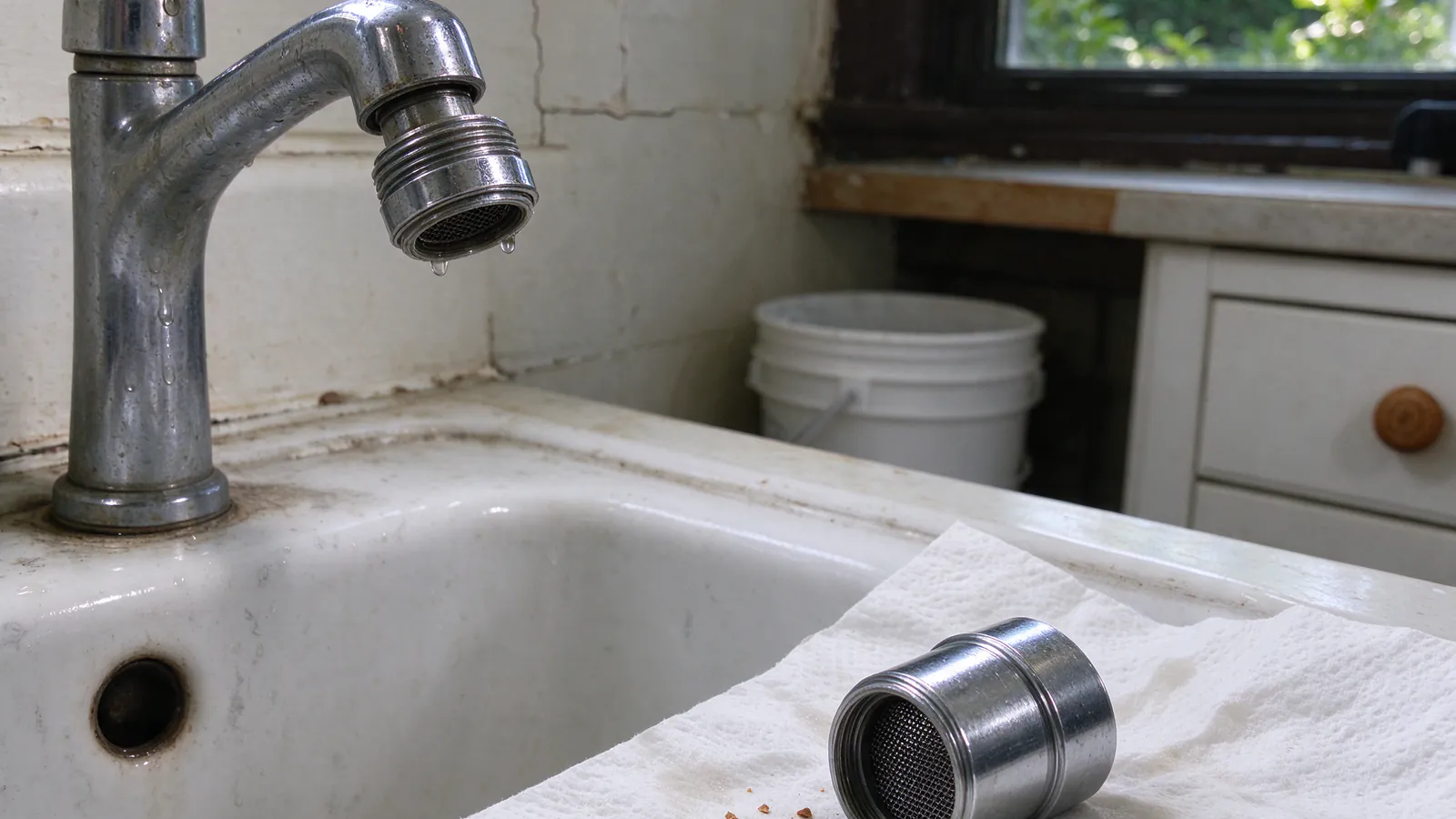
- Flush before drinking. PWD recommends running cold water for three to five minutes after it has sat unused for six hours or more. PWD says that costs about a couple of pennies per flush, and showering, laundry or a toilet flush also moves stagnant water out of the pipes.
- Use cold water for drinking, cooking and preparing baby formula, the EPA says.
- Do not rely on boiling. The EPA notes that boiling water does not remove lead.
- Use a certified filter. PWD advises looking for filters certified for lead reduction by NSF, and following the maker’s instructions. The EPA adds not to run hot water through the filter, and to replace cartridges as directed.
These are interim steps. They reduce exposure; they do not change what the pipes are made of.
How your pipes fit in
There are two separate places lead can come from, and they need different fixes.
The service line. If the pipe from the street is lead or galvanized, or PWD’s map shows incomplete records, the lead service line check guide explains how to find out. Replacement may come through a City program, covered in the free lead line replacement guide, or through the owner, with the PWD HELP loan as one way to pay.
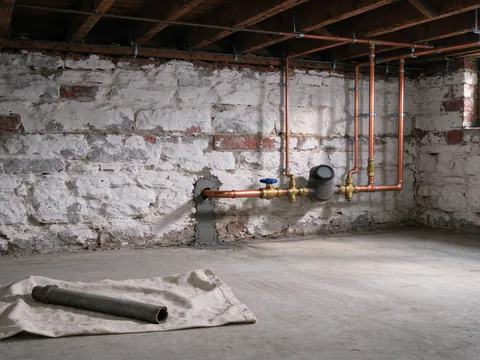
The pipes inside. Old galvanized risers, lead solder on older copper, and brass valves and faucets sit after the meter. Replacing the service line does nothing for them. If the interior is old galvanized, a galvanized pipe replacement or whole-house repiping replaces it from the meter to the fixtures. The guide to identifying your water pipes explains how to tell what you have, and the rusty water guide covers discolored water, which is a different symptom from lead and has its own causes.
Philadelphia Freedom Repipe replaces service lines and interior piping through licensed and insured contractors; inside the city, a Philadelphia licensed master plumber oversees the job and pulls the L&I permit. It does not test water; PWD’s free test is the place to start.