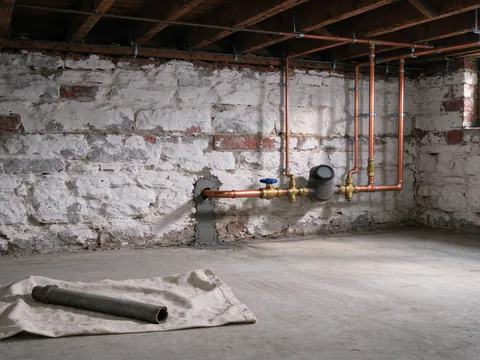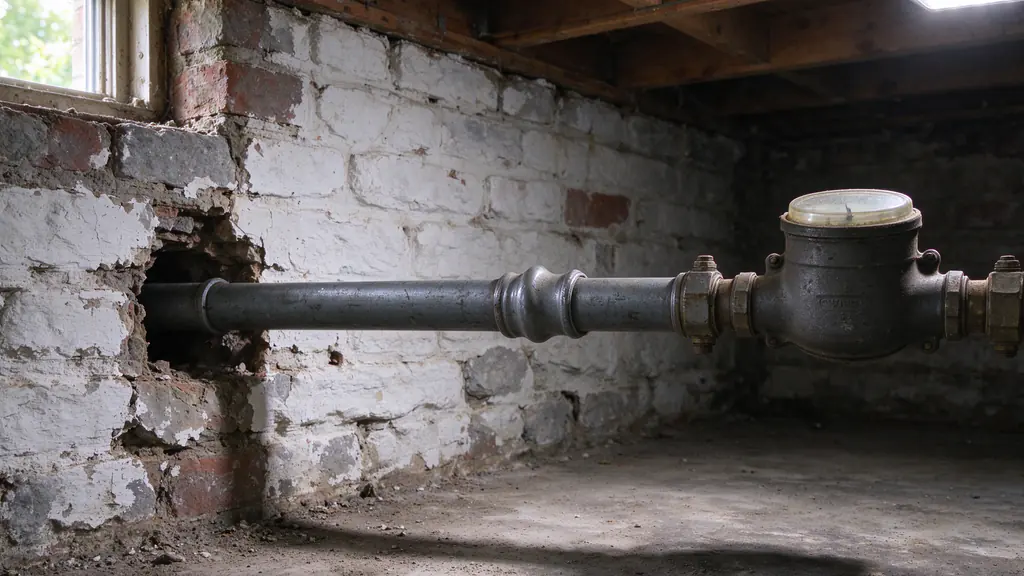
Sometimes, yes. The Philadelphia Water Department replaces lead and galvanized service lines at no charge in three situations: through its Service Line Replacement Pilot in named ZIP codes, on blocks getting a new water main, and for properties found lead or galvanized through its verification program. PHDC may also repair broken lines free for eligible owners. None is guaranteed for any address.
Outside those programs, a Philadelphia service line is the owner’s to replace and pay for, because the owner owns the whole line. Philadelphia Freedom Repipe offers and manages lead service line replacement for owners who pay privately, and this guide is the honest version of the question: which free routes exist, who they reach, and when it makes sense to wait for one.
The four free routes compared
| Route | Who it reaches | What it replaces | Who does the work |
|---|---|---|---|
| Service Line Replacement Pilot | Eligible properties in named ZIP codes, with owner permission | Lead or galvanized service line | Licensed plumbers hired by PWD |
| Water main projects | Confirmed lead or galvanized lines on a block getting a new main | The line from the main to the meter | PWD’s main-replacement contractor |
| Service Line Verification | Randomly selected properties that got a letter or email | A free material check, and replacement if lead or galvanized is found | PWD |
| PHDC Basic Systems Repair | Owner-occupied single-family homes within income limits | Emergency repair of leaking or broken service lines | Arranged by PHDC |
The Service Line Replacement Pilot
The pilot is PWD’s federally funded program to replace lead and galvanized service lines at no cost to eligible owners, with about 1,000 lead lines budgeted. PWD values the private equivalent at $3,000 to $12,000. It runs in phases by ZIP code:
- Phase 1, North Philadelphia: 19133, 19134 and 19140. The North Philadelphia page covers the housing there.
- Phase 2, West and Southwest Philadelphia: 19104, 19131, 19139, 19142, 19143, 19151 and 19153, following Phase 1. See the West and Southwest Philadelphia page.
Only the owner can give permission for the work. PWD says a replacement is usually done in one day, between four and eight hours. Owners outside the phase ZIPs can register interest, but PWD decides who is eligible and when. The pilot details page is the current source for phase timing.
Replacement during water main work
When PWD replaces a water main, it replaces lead and galvanized service lines on that block from the main to the meter at no charge. The owner has to return a Service Line Replacement Authorization form. This is the oldest of the routes, but it is limited by where the mains are: PWD says it reaches about 1% of the City’s mains each year, and it is not available on request for a block without a project.
Service Line Verification
PWD’s verification program checks the material of service lines at randomly selected properties, which receive a letter or email. If the check finds lead or galvanized pipe, PWD replaces it free. It is first-come, first-served among those selected, and PWD has run it over a limited window, so check its page for whether it is still open. One cost stays with the owner: anything disturbed to make the meter accessible inside the home. A finished basement wall or a cabinet built around the meter is the owner’s to deal with.
PHDC Basic Systems Repair
The Philadelphia Housing Development Corporation’s Basic Systems Repair Program makes free emergency repairs, including “leaking or broken water service lines” and violations from the Water Department or L&I. It is for owner-occupied single-family homes where the owner owns no other residential property in Philadelphia, is current or under agreement on property taxes and the water bill, and meets PHDC’s household income limits. A PWD Notice of Defect or an L&I violation notice supports priority. It is a repair program for emergencies, not a lead replacement program, and PHDC publishes its current limits and how to apply.
Why galvanized lines are included
The City’s programs treat galvanized service lines the same way as lead. PWD explains that, over decades, lead from a property’s plumbing can accumulate on the corroded walls of galvanized pipe. Federal rules point the same way: under the EPA’s Lead and Copper Rule Improvements, water systems must identify and replace lead pipes within 10 years, and PWD summarizes its own obligation as replacing all lead and galvanized service lines within 10 years, starting 2027.
That long horizon is one reason owners ask whether to wait. A ten-year program does not say when a particular block will be reached, and the obligation sits with the water system, not with any one address.
If no free route reaches you
Owners who are outside the pilot ZIPs, not on a main project and not eligible for PHDC have three choices: wait and watch for a program, replace privately, or finance the work. PWD’s HELP loan offers 0% financing for an operable lead line without a Notice of Defect. A private replacement runs $3,000 to $12,000 by PWD’s estimate, and more with a street opening; the lead service line replacement cost guide explains the parts.
Waiting is reasonable for many owners, especially while the line is not leaking. PWD’s corrosion control, flushing and certified filters are the interim steps it describes, covered in the lead in Philadelphia tap water guide. Replacing privately makes more sense when the line is leaking, a Notice of Defect has arrived, a renovation is opening the front wall anyway, or the owner simply wants it done on a known schedule.
Know your line first
Every route starts with knowing what the line is made of. PWD’s map shows its records, and many addresses show incomplete records that PWD says to treat as possibly lead. The lead service line check guide explains how to read the map and look at the pipe by the meter, and the who owns the water line guide explains why a replaced line stays yours.
The interior is separate
None of the free routes touches the pipes inside the house. A new copper service line feeding old galvanized risers still leaves the galvanized in service. If the interior is galvanized too, a whole-house repiping plan that starts at the meter can be timed around the service line work. Philadelphia Freedom Repipe manages both through licensed and insured contractors, and does not enroll anyone in a City program; the programs above are applied for directly with PWD or PHDC.